
Semax
Met-Glu-His-Phe-Pro-Gly-Pro · ACTH(4-10) Analog
A synthetic heptapeptide derived from a fragment of adrenocorticotropic hormone, developed in Russia and studied for neurotrophic and cognitive-performance research applications.
Research use only. This profile documents Semax strictly as a laboratory research compound based on published pharmacological literature, much of it originating from Russian research institutions. It is not medical advice.
Semax was developed at the Institute of Molecular Genetics of the Russian Academy of Sciences as a synthetic analog of a fragment of adrenocorticotropic hormone (ACTH), specifically the ACTH(4-10) sequence, modified with an additional tripeptide (Pro-Gly-Pro) appended to improve enzymatic stability. Unlike the parent ACTH hormone, Semax was designed to retain neurotrophic and cognitive research activity while minimizing hormonal (adrenal-stimulating) effects, making it a distinct research tool from ACTH itself.
Mechanism of action
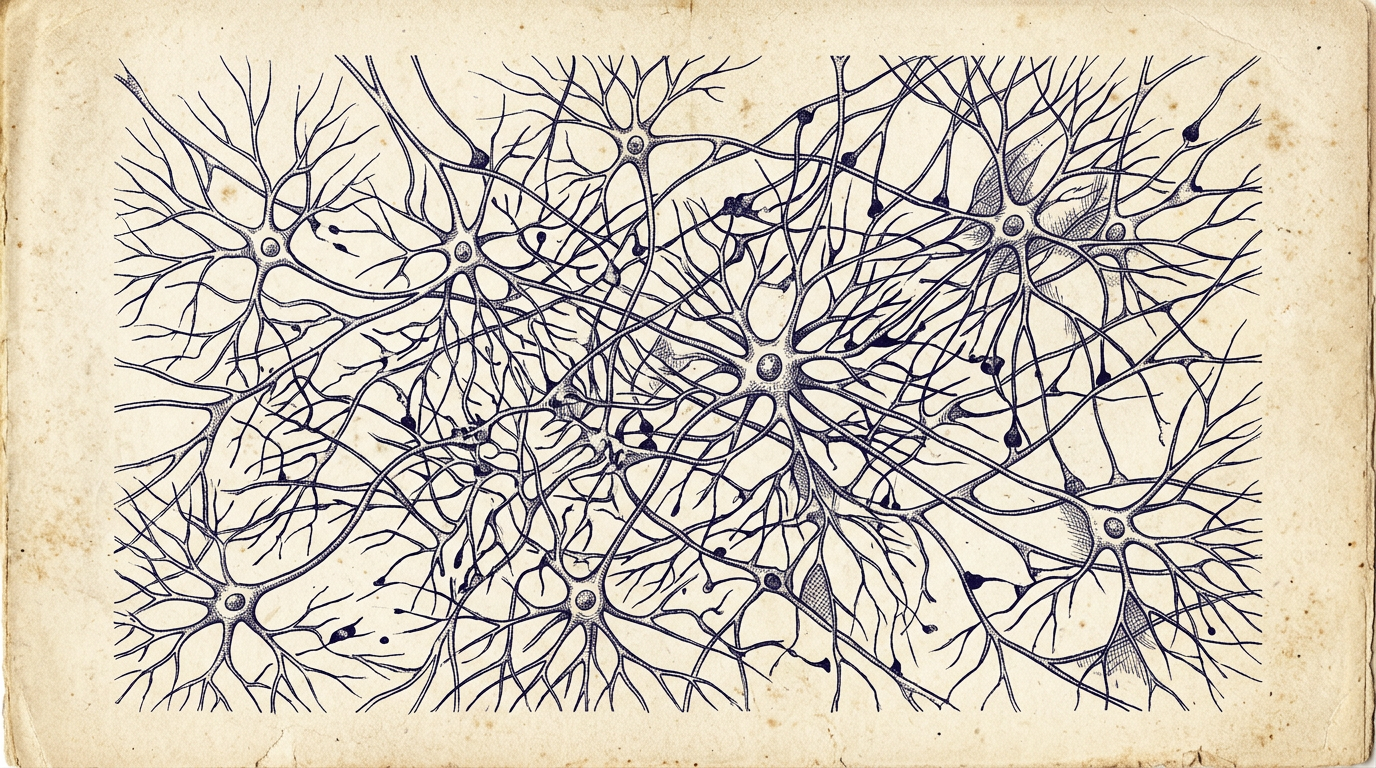
The mechanistic literature on Semax centers on its effects on brain-derived neurotrophic factor (BDNF) expression, a protein central to neuronal survival, growth, and synaptic plasticity. Animal studies have reported increased BDNF expression in specific brain regions following Semax administration, alongside effects on the dopaminergic and serotonergic systems. Separately, a body of research has examined Semax's effects on cholinesterase activity, an enzyme relevant to acetylcholine signaling and, by extension, memory-related neural circuits.
Researchers frequently note that Semax's appended Pro-Gly-Pro tripeptide is itself bioactive in some study designs, complicating straightforward mechanistic attribution — some observed effects may derive from the ACTH(4-10) core sequence, others from the appended tripeptide fragment, and untangling the two remains an active area of the pharmacological literature.
What the research literature reports
The published literature on Semax includes a substantial body of Russian-language pharmacological research dating back to the 1980s and 1990s, alongside a smaller but growing body of literature in English-language journals. Animal-model studies have examined effects on learning and memory tasks, models of cerebral ischemia (relevant to stroke research), and models of attention and stress response. A recurring theme is Semax's proposed neuroprotective activity in ischemia models — researchers have reported reduced markers of neuronal damage in some animal studies following administration in the context of induced ischemic events.
As with many peptides in this research space, much of the historical evidence base originates from a specific research tradition (in this case, Russian institutional pharmacology) that Western researchers are still in the process of independently replicating and extending, which is a caveat commonly attached when this literature is discussed internationally.
BDNF expression is the mechanistic thread connecting Semax's neuroprotective and cognitive research literature.
Where Semax fits among nootropic peptides
Within the broader catalog of research peptides, Semax is typically grouped with other neurotrophic and cognitive-research compounds rather than with tissue-repair peptides like BPC-157 or TB-500. Its closest structural relatives in the research literature are other ACTH-fragment analogs, though Semax remains the most extensively documented member of that family in the peptide research community.
Handling & sourcing notes
Semax is supplied as a lyophilized powder requiring reconstitution before laboratory use, with standard cold-chain and light-protection storage considerations applying as with other research peptides cataloged here. See our methodology page for our sourcing evaluation approach.
Summary
- Semax is a synthetic heptapeptide analog of ACTH(4-10) with an appended stabilizing tripeptide.
- Its proposed mechanism involves BDNF expression, dopaminergic/serotonergic modulation, and cholinesterase activity.
- Research literature spans learning/memory models, cerebral ischemia models, and stress-response research.
- Much of its historical evidence base originates from Russian institutional pharmacology research.